
Key Takeaways
- Citizen science is moving from the margins to the mainstream, fueled by open data, affordable tools, and digital platforms.
- DeSci provides the infrastructure to make citizen science transparent, incentivized, and globally impactful.
- DAOs and tokenized ownership align incentives, giving contributors recognition and governance rights.
- The future of discovery is inclusive, permissionless, and shaped by both academia and citizen scientists.
For centuries, science has been the domain of universities, research institutes, and specialist labs. Credentials, funding, and access determined who could contribute to knowledge creation. But the barriers that once separated professional scientists from curious citizens are eroding.
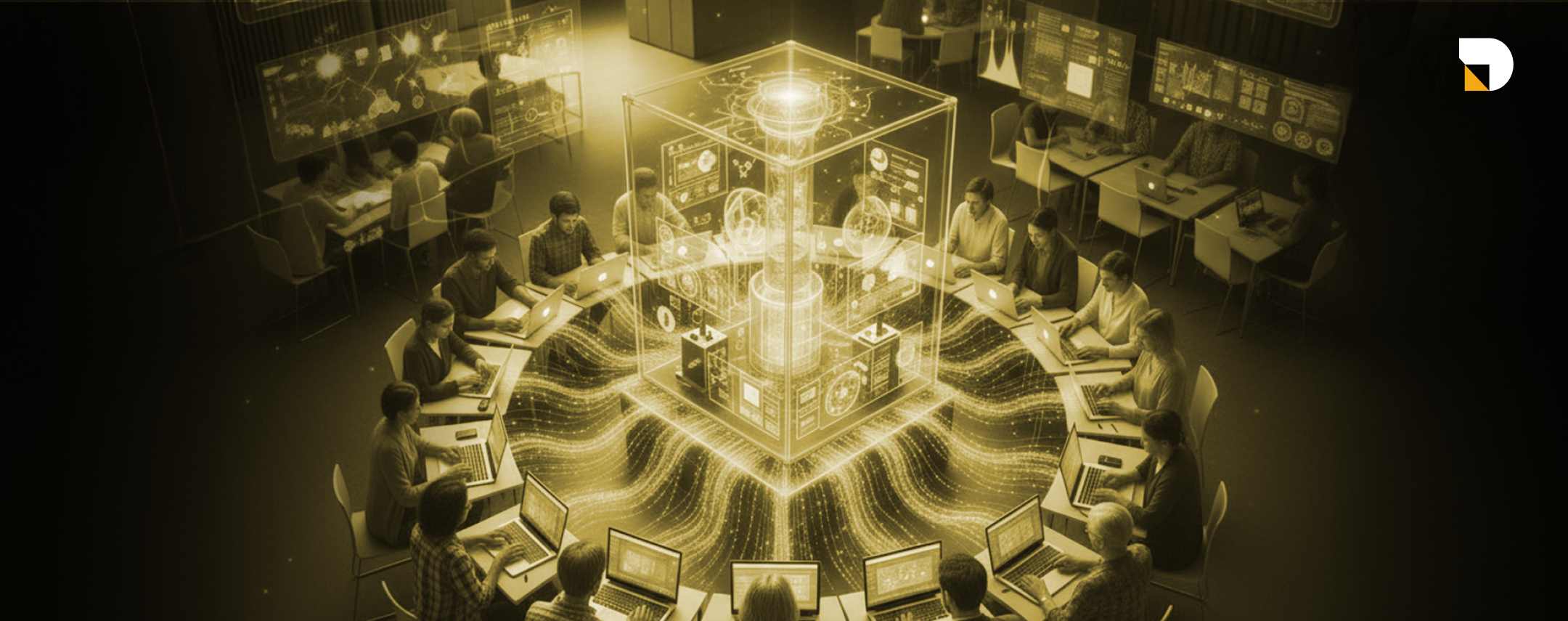
Today, in the age of AI, ordinary people equipped with laptops, open datasets, and decentralized networks are beginning to participate in discovery. This shift represents a structural shift in how knowledge is produced and shared.
The Rise of Citizen Science
Citizen science is not new. Amateur astronomers discovered comets; birdwatchers contributed to ecological studies; hobbyists advanced early computing. What’s new is scale.
- Open Data: Vast scientific datasets are now publicly available, from genomic sequences to climate records.
- Affordable Tools: Portable sequencers, DIY lab kits, and at-home sensors make experimentation within reach.
- Digital Platforms: Online communities allow thousands of contributors to classify galaxies, track disease outbreaks, or run protein-folding simulations.
Where traditional science was siloed, today’s citizens can engage directly.
The DeSci Advantage
Decentralized Science (DeSci) amplifies citizen science by providing the infrastructure to scale and sustain it. By combining blockchain with community governance, DeSci lowers barriers and aligns incentives:
- Permissionless Participation: Anyone can contribute to research, regardless of academic affiliation.
- Transparent Records: On-chain publishing ensures contributions are visible, timestamped, and tamper-proof.
- Shared Ownership: Tokens and DAOs give contributors economic and governance rights in the discoveries they help create.
- Collective Funding: Communities can pool capital to support projects often overlooked by traditional institutions, from rare diseases to climate resilience.
Case Studies Emerging
- Data DAOs: Patients collectively owning and governing their health information.
- Rare Disease Collectives: Families and communities funding research outside slow grant systems.
- Climate Networks: Citizens contributing local environmental data to improve global climate models.
Each example demonstrates how ordinary people, empowered by decentralized infrastructure, become part of the discovery engine.
The New Social Contract of Science
The future of discovery won’t be confined to academic walls. It will be borderless, inclusive, and networked.
Citizen scientists are not replacing academia. They are expanding it, creating parallel rails where curiosity, participation, and shared ownership drive breakthroughs.
DeSci is the bridge making this shift durable. By combining citizen energy with transparent systems and open incentives, it ensures science serves not just institutions, but everyone.
Explore more at DeSci DAO
FAQs
Citizen science is research conducted by non-professionals, where ordinary people contribute to scientific discovery using open data, affordable tools, and digital platforms.
DeSci provides infrastructure for open publishing, transparent peer review, tokenized ownership, and decentralized funding, making citizen science scalable and sustainable.
Yes. Citizen contributions have already advanced fields such as astronomy, ecology, rare disease research, and climate science. With DeSci, their impact grows significantly.
DAOs enable communities to govern data, fund projects, and reward contributors, giving citizen scientists both recognition and ownership.
No. Citizen science complements academia by expanding participation and creating parallel, decentralized systems of discovery.